
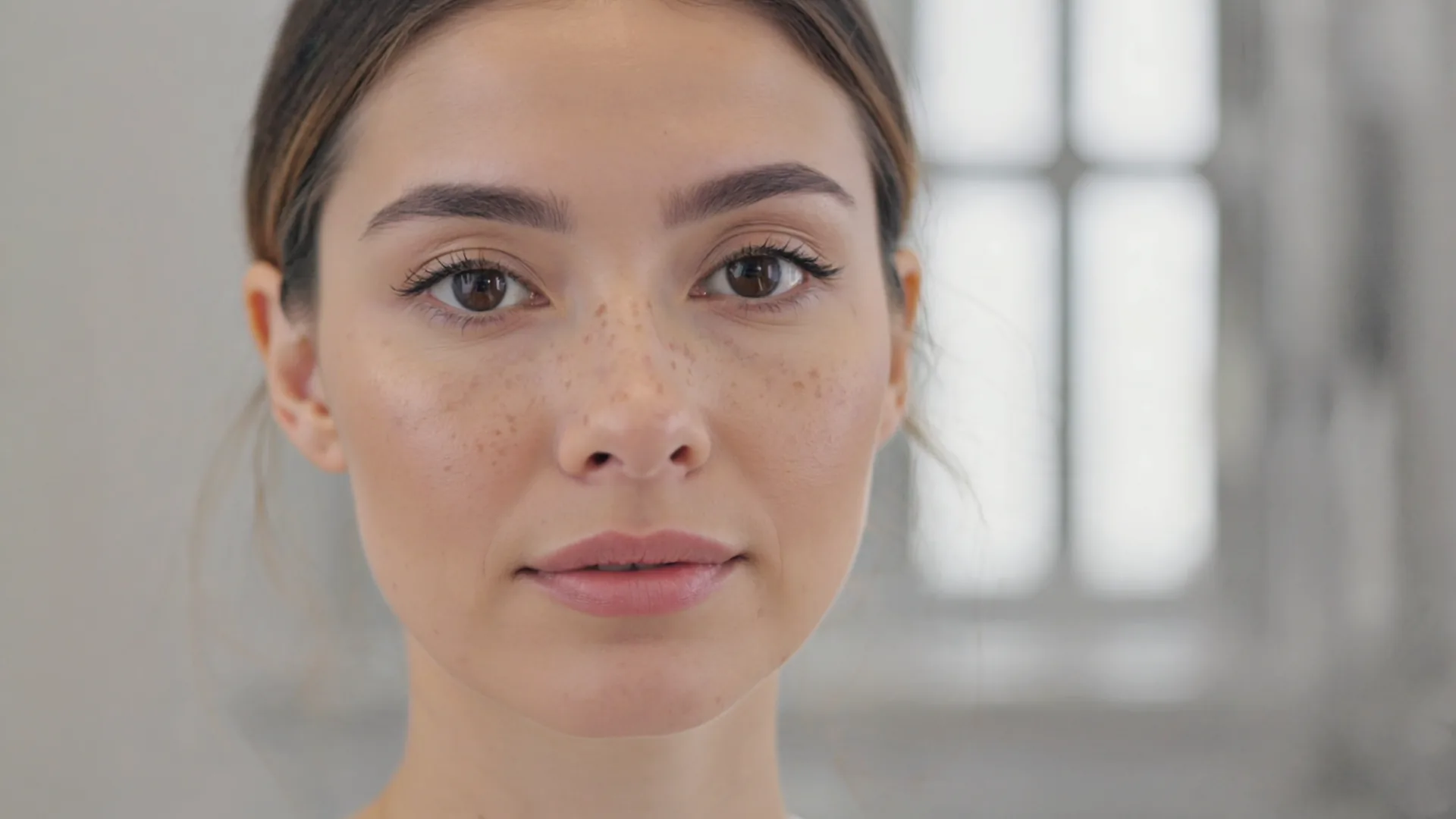
Most pigmentation in Ireland is sun-related, and most of it becomes visible in autumn — not because it appeared then, but because it has been building all summer and only shows once the surrounding skin loses its colour. After a hot Irish summer, this is the time of year we see it most.
Pigmentation is treatable, but not all pigmentation is the same, and the type you have determines what actually works. This page explains what we treat at our Dublin clinic, how, when, and what it costs.
The types of pigmentation we treat
Sun spots and age spots (solar lentigines). Flat brown marks on the face, hands, chest and shoulders — the areas that catch the most sun. These are the most straightforward to treat and typically respond well to light-based treatment.
Melasma. Larger, symmetrical patches, usually across the cheeks, forehead or upper lip. Melasma is hormonally driven as well as sun-driven, which makes it more stubborn and more prone to returning. It is managed rather than cured, and it needs a different approach — treating melasma too aggressively can make it worse. We cover this in detail in our guide to melasma and freckle laser treatments.
Post-inflammatory hyperpigmentation. The brown marks left behind after acne, an injury or an over-aggressive treatment. These often fade on their own over months, and the priority is protecting the area while it does.
Freckles. Genetic rather than damage-related, and darkening with sun exposure. Whether to treat these is a cosmetic preference, not a medical need.
Telling these apart matters. If you are unsure which you have, our VISIA skin analysis photographs and measures pigmentation beneath the skin’s surface as well as on it — including sun damage that is not yet visible to the eye.
If your pigmentation is symmetrical and patchy rather than made up of discrete spots, it may be melasma, which behaves differently and needs a different approach — see melasma treatment in Dublin.
How we treat pigmentation at Amara
Our primary treatment for sun-related pigmentation is IPL laser skin rejuvenation. IPL targets the pigment itself: the light is absorbed by the darker areas, which then break up and clear over the following one to two weeks. It treats redness and general skin tone at the same time, which is why it suits skin that has both.
Most people need two to four sessions, spaced several weeks apart, though this varies with the type and depth of the pigmentation. Maintenance is typically every six to twelve months. Results vary between individuals, and a consultation is the only reliable way to know what your own skin is likely to need.
Where pigmentation is hormonal rather than purely sun-driven, or where skin is very reactive, we may recommend a prescription skincare route or a gentler in-clinic approach instead. Not everyone who asks about IPL is a good candidate for it, and we would rather say so.
Where pigmentation is melasma rather than sun damage, or where skin tone makes light-based treatment unsuitable, we use Cosmelan — a depigmentation peel that is safe across all skin tones because it reduces melanin production rather than relying on heat or light.
Why autumn and winter are the right time
This is not a marketing preference — it is a safety one. IPL and laser cannot be performed safely on recently sun-exposed or tanned skin. Treating tanned skin risks burns and, ironically, post-inflammatory hyperpigmentation — making the exact problem you came in for worse.
Treated skin also needs to stay out of strong sun afterwards, or the pigment returns. That makes autumn through early spring the sensible window, and it is why we generally hold off on IPL over the summer months.
Starting in September or October means a full course completed before the following summer.
Pigmentation treatment prices in Dublin
| IPL face | €275 per session | ~30 minutes. Redness, pigment or general skin rejuvenation. |
| IPL face and neck | €325 per session | ~45 minutes. |
| IPL face, neck & chest or hands | €425 per session | ~1 hour. |
A consultation and patch test is carried out before your first treatment. Full pricing is on our IPL treatment page.
What to expect
IPL feels like a warm elastic band flicking against the skin. Most people find it comfortable enough not to need numbing. Afterwards the treated areas usually look slightly darker and more defined for a few days before they flake away — this is the treatment working, and it is expected.
You can wear make-up the next day. There is no meaningful downtime, but daily SPF is non-negotiable during and after a course, or the pigment will come straight back.
Common questions
Does pigmentation come back? Sun-related pigmentation can return with further sun exposure — the treatment clears what is there, it does not change how your skin responds to UV. Melasma in particular is prone to recurrence. Daily SPF is what protects the result.
Can you treat pigmentation on darker skin tones? IPL is not suitable for all skin types, and the risk of post-inflammatory pigmentation is higher in deeper skin tones. We assess this at consultation and will recommend an alternative where IPL is not appropriate.
How soon will I see a difference? Usually within one to two weeks of the first session, as the treated pigment clears. A full course takes a few months.
Is it painful? Briefly uncomfortable rather than painful for most people.
Start with a skin analysis
If you have noticed pigmentation after this summer, now is the right point in the year to deal with it — and the right first step is finding out which type you have. A VISIA skin analysis photographs and measures pigmentation beneath the skin’s surface, including sun damage not yet visible to the eye.
That is what determines whether IPL, Cosmelan or something gentler is right for you. Book a VISIA skin analysis to start, or read more about how to improve pigmentation.