
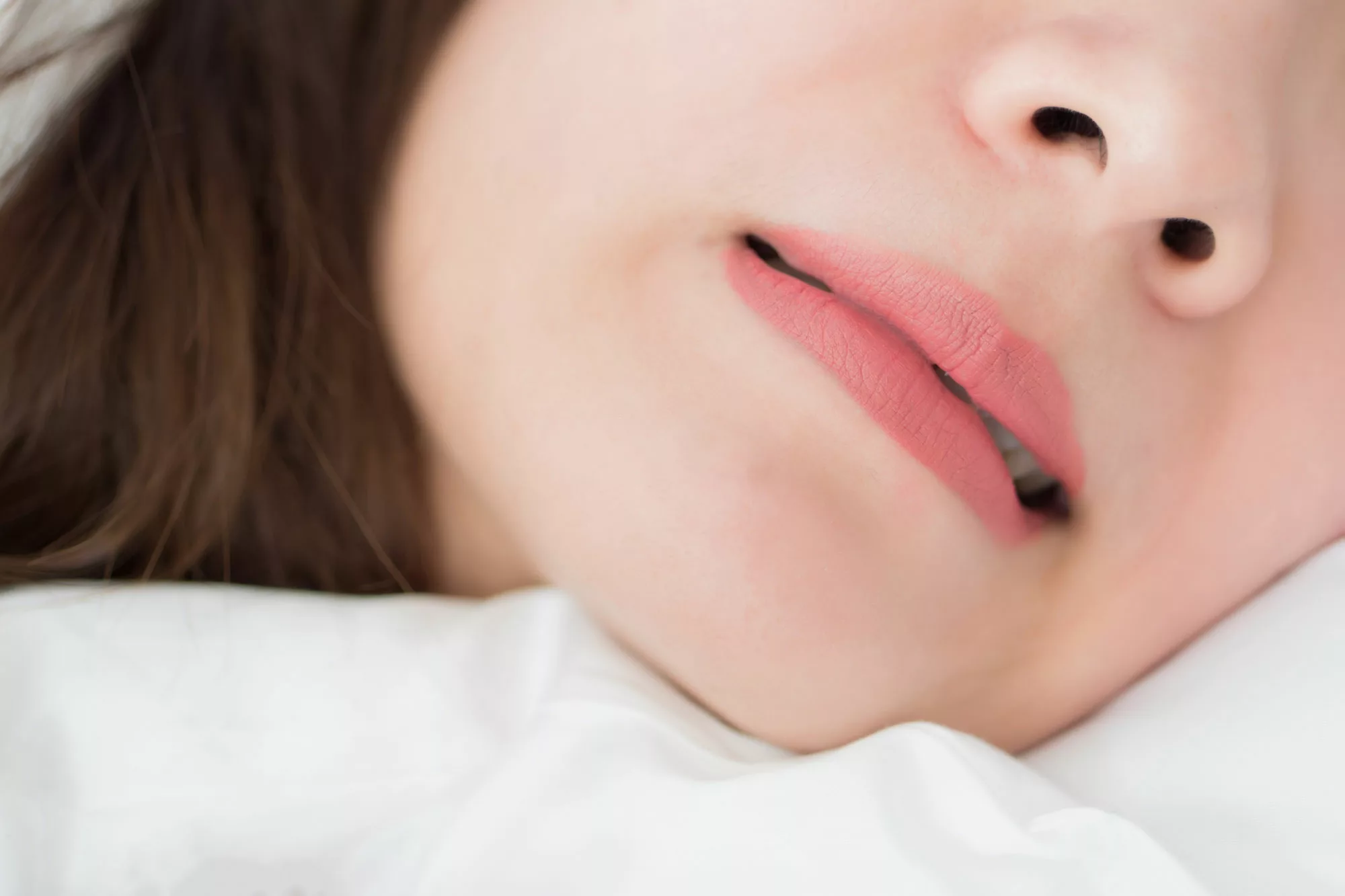
Teeth Grinding Injections – Bruxism
Service Essentials
Bruxism is a condition where muscles attached to the jaw are overactive, mainly when we sleep, which results in teeth grinding and clenching. The result is a sore face in the morning or, worse, damaged and cracked teeth. Luckily, this overactivity can be remedied using anti-wrinkle injections. Treating the jaw muscle is one of the more advanced uses of anti-wrinkle injections — closer to the medical end of what we do, like treatment for excessive sweating — and it calls for a doctor who treats the area regularly. Our guide to classic and advanced treatment areas explains where the jaw fits in.
Area
Bruxism or teeth grinding.
Assesment
Our doctor will discuss your concerns and the nature of your grinding
Treatment
Anti-wrinkle injections
Time
Assessment ~15mins, Treatment <5mins
Comfort
Rarely reports uncomfortable
Lasts
3 to 4 month is typical time to last
Results
Full appearance at 2-4 weeks
Cost
From €450
Frequently Asked Questions
+ - What is grinding teeth?
Grinding teeth, also known as bruxism, is a condition characterized by the involuntary clenching, gnashing, or grinding of teeth. It can occur during the day (awake bruxism) or at night during sleep (sleep bruxism). Grinding teeth can cause various dental and health problems if left untreated.
+ - How to stop grinding teeth?
To address grinding teeth, treatment options may include:
- Stress management techniques: Since stress and anxiety can contribute to teeth grinding, finding ways to relax and manage stress levels can be beneficial.
- Mouthguards or splints: A dentist can custom-fit a mouthguard or splint that is worn during sleep to protect the teeth and alleviate the pressure caused by grinding.
- Behavioral therapy: In some cases, behavior modification techniques, such as habit-reversal therapy, can be used to help individuals become aware of the grinding habit and learn techniques to redirect the behavior.
+ - Why do I grind my teeth in my sleep?
The exact cause of sleep bruxism is not fully understood, but it is believed to be a combination of multiple factors. Some potential causes include:
- Abnormal bite alignment: Misaligned teeth or issues with the jaw structure can contribute to teeth grinding during sleep.
- Stress and anxiety: Increased stress levels or anxiety can lead to teeth grinding, particularly during sleep when individuals may have less control over their actions.
- Sleep disorders: Sleep-related disorders such as snoring, or restless leg syndrome may be associated with teeth grinding.
- Medications and substances: Certain medications, such as antidepressants or stimulants, as well as the use of alcohol or caffeine, can increase the likelihood of teeth grinding during sleep.
+ - Is teeth grinding a sign of sleep apnea?
Teeth grinding can sometimes be associated with sleep apnea, a sleep disorder characterized by interrupted breathing during sleep. However, not all individuals who grind their teeth have sleep apnea, and not all individuals with sleep apnea grind their teeth. If you suspect you have sleep apnea or are experiencing symptoms such as loud snoring, excessive daytime sleepiness, or pauses in breathing during sleep, it is important to consult with a healthcare professional for proper evaluation and diagnosis.
+ - What causes teeth grinding?
Teeth grinding can have multiple causes, including:
- Stress and anxiety: Psychological factors, such as stress, anxiety, or tension, can contribute to teeth grinding.
- Malocclusion: Misalignment of the teeth or jaws can lead to grinding as the individual tries to find a more comfortable position for their bite.
- Lifestyle factors: Certain lifestyle habits, such as excessive alcohol or caffeine consumption, smoking, or recreational drug use, can be associated with teeth grinding.
+ - Can grinding teeth cause mouth sores?
Yes, grinding teeth can sometimes cause mouth sores. The excessive pressure and friction from teeth grinding can irritate the soft tissues inside the mouth, leading to the formation of mouth sores or ulcers. These sores may cause discomfort or pain and can take some time to heal.
+ - Is there a connection between teeth grinding and headaches?
Yes. The excessive strain on the jaw muscles and the temporomandibular joint (TMJ) caused by grinding teeth can lead to tension headaches or migraines. The muscle tension and inflammation can radiate pain to the head, resulting in headaches.
+ - Can children grind their teeth?
Yes, teeth grinding can occur in children as well. In fact, it is relatively common among children, especially during the development of their baby and permanent teeth. Most children outgrow teeth grinding without intervention, and it typically does not cause long-term damage. However, if teeth grinding persists or is accompanied by other symptoms, it is advisable to consult with a pediatric dentist or healthcare professional for evaluation and guidance.
+ - Can teeth grinding cause tooth sensitivity?
Yes, teeth grinding can contribute to tooth sensitivity. The constant grinding and clenching of teeth can wear down the enamel, the protective outer layer of the teeth. As a result, the underlying dentin, which contains microscopic tubules that connect to the tooth's nerve endings, may become exposed, leading to increased sensitivity to hot, cold, or sweet foods and beverages
+ - Can teeth grinding cause damage to dental restorations, such as crowns or fillings?
Yes, it can potentially cause damage to dental restorations. The excessive force and repetitive motion can lead to wear, fractures, or dislodgment of the restorations.
- Simply complete the form below and we will be in touch with you with availability options
2. Click book now in the corner of this page and schedule your appointment using our online booking system 24/7
Ready to look your best?
Book your consultation with our doctor-led team in Dublin.
BOOK A CONSULTATIONPrefer to talk first? Call +353 1 676 1074 or send us a message.